Recognizing the Warning Signs Before Abuse Occurs
What Is Grooming?
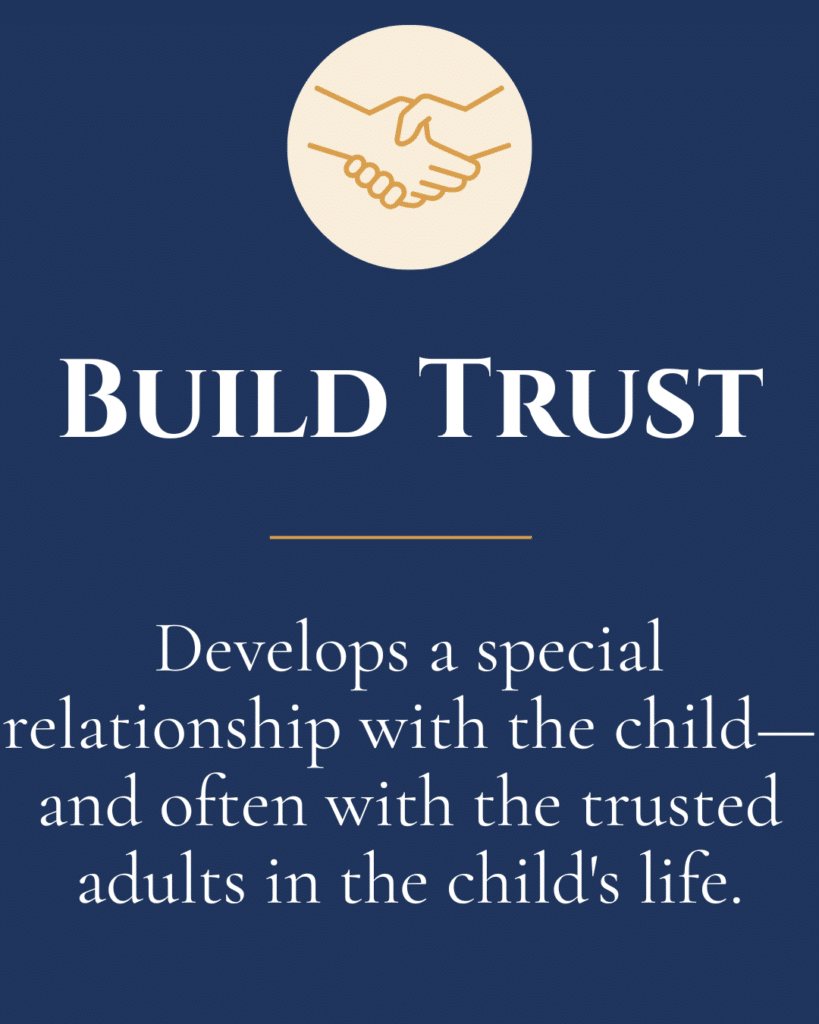
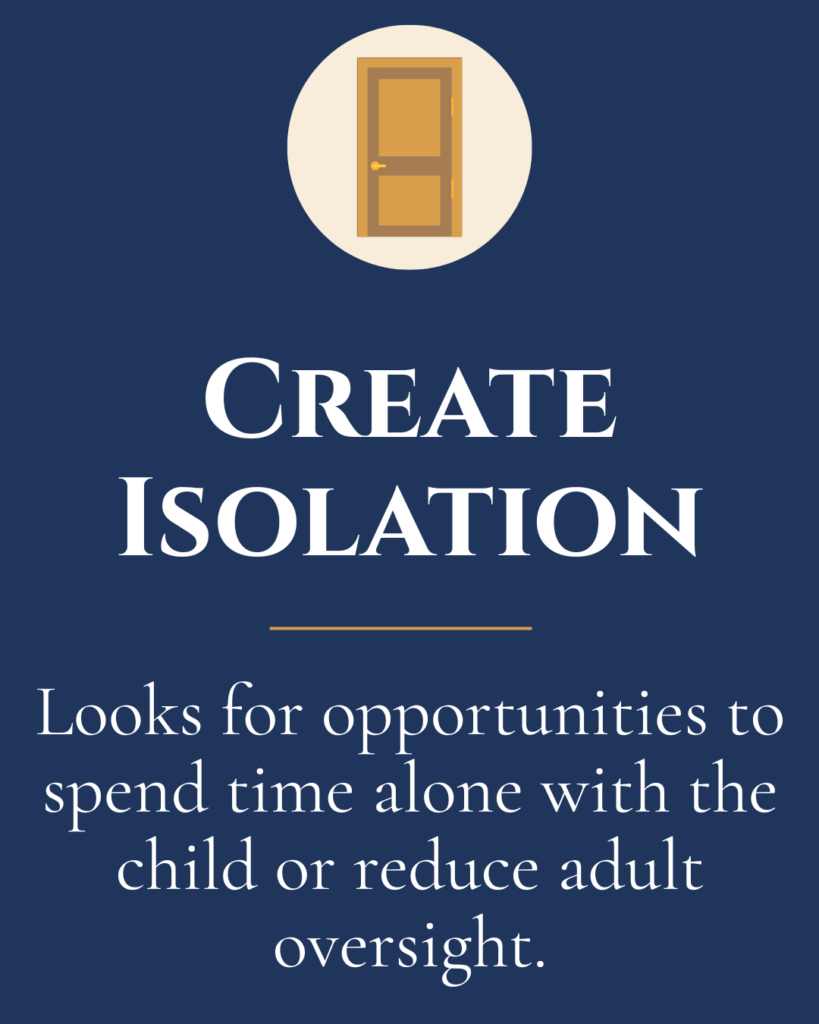
Grooming is a deliberate pattern of behaviors used by a perpetrator to gain a child’s trust—and often the trust of parents, caregivers, churches, schools, or other organizations—with the goal of creating opportunities for abuse while reducing the likelihood of being discovered.
Because grooming can appear as kindness, generosity, or special attention, it is often difficult to recognize until much later.
Understanding grooming helps adults recognize concerning patterns before abuse occurs.
Grooming Doesn't Only Target Children
One of the greatest misconceptions is that offenders groom only children.
In reality, they often groom everyone around the child.
They may work hard to appear trustworthy, dependable, generous, or deeply invested in helping children. They may earn the confidence of parents, church leaders, teachers, coaches, and community members before ever attempting to isolate a child.
For this reason, protecting children requires awareness—not assumptions.
Common Grooming Behaviors
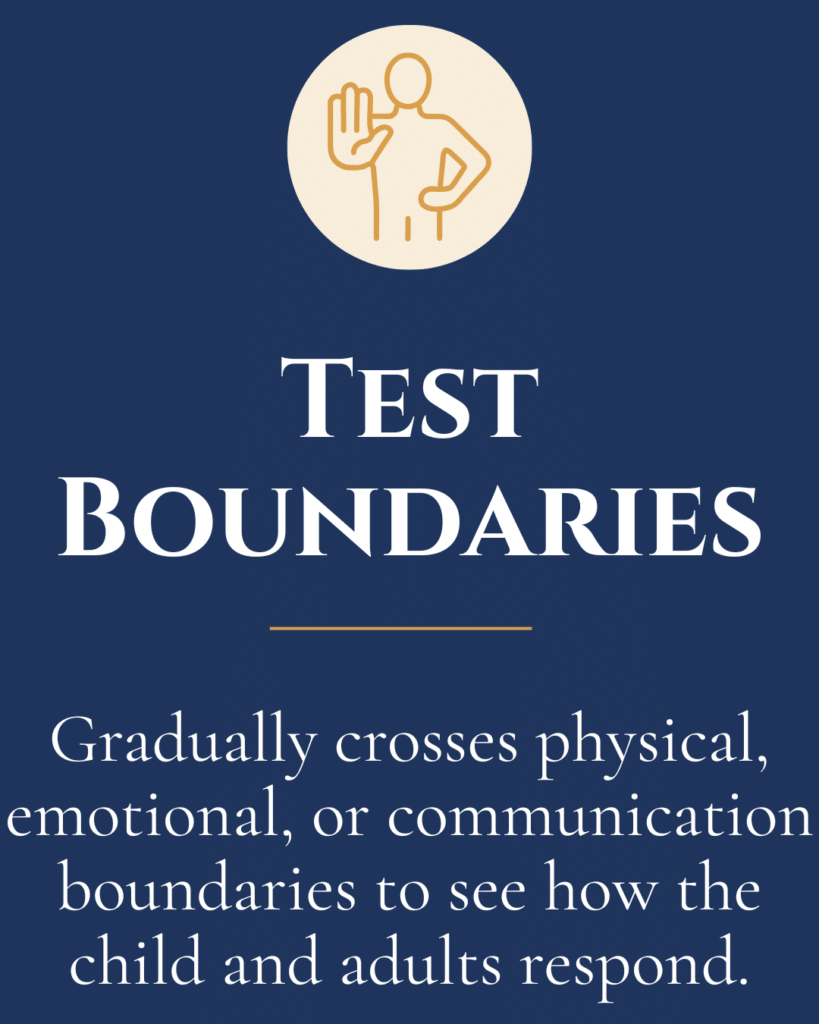
While no single behavior proves harmful intent, the following patterns deserve attention, especially when several occur together.


Grooming Families
They may:
Offer free childcare.
Frequently volunteer to help.
Become indispensable to the family.
Present themselves as exceptionally trustworthy.
Offer to transport children.
Spend unusual amounts of time with one family.
Parents naturally appreciate supportive adults. Grooming occurs when those relationships are used to gain unsupervised access to children.
Grooming Organizations
An offender may:
Volunteer enthusiastically.
Quickly become indispensable.
Resist accountability.
Avoid background check requirements.
Push against child safety policies.
Seek leadership positions that increase access to children.
Healthy organizations welcome volunteers while maintaining consistent safety policies for everyone.
Policies protect children—and they also protect caring adults from false accusations.
Online Grooming
An offender may:
Volunteer enthusiastically.
Quickly become indispensable.
Resist accountability.
Avoid background check requirements.
Push against child safety policies.
Seek leadership positions that increase access to children.
Healthy organizations welcome volunteers while maintaining consistent safety policies for everyone.
Policies protect children—and they also protect caring adults from false accusations.
If You Have Concerns
If you suspect a child is being abused or neglected, report your concerns to the appropriate child protection agency or law enforcement.
You do not need proof to make a report.
Protecting Children Begins with Healthy Boundaries
Healthy adults welcome accountability.
Healthy organizations establish clear policies.
Healthy relationships encourage transparency.
Protecting children is not about becoming suspicious of everyone. It is about creating environments where abuse is far less likely to occur and where children know they are safe, valued, and heard.
Hope Begins Here
What Can You Do?
Every adult can help protect children by:
Learning the signs of grooming.
Respecting healthy boundaries.
Supporting child protection policies.
Taking children’s concerns seriously.
Speaking up when something feels wrong.
Reporting reasonable suspicions to the appropriate authorities.
Awareness leads to action, and action helps protect children.